
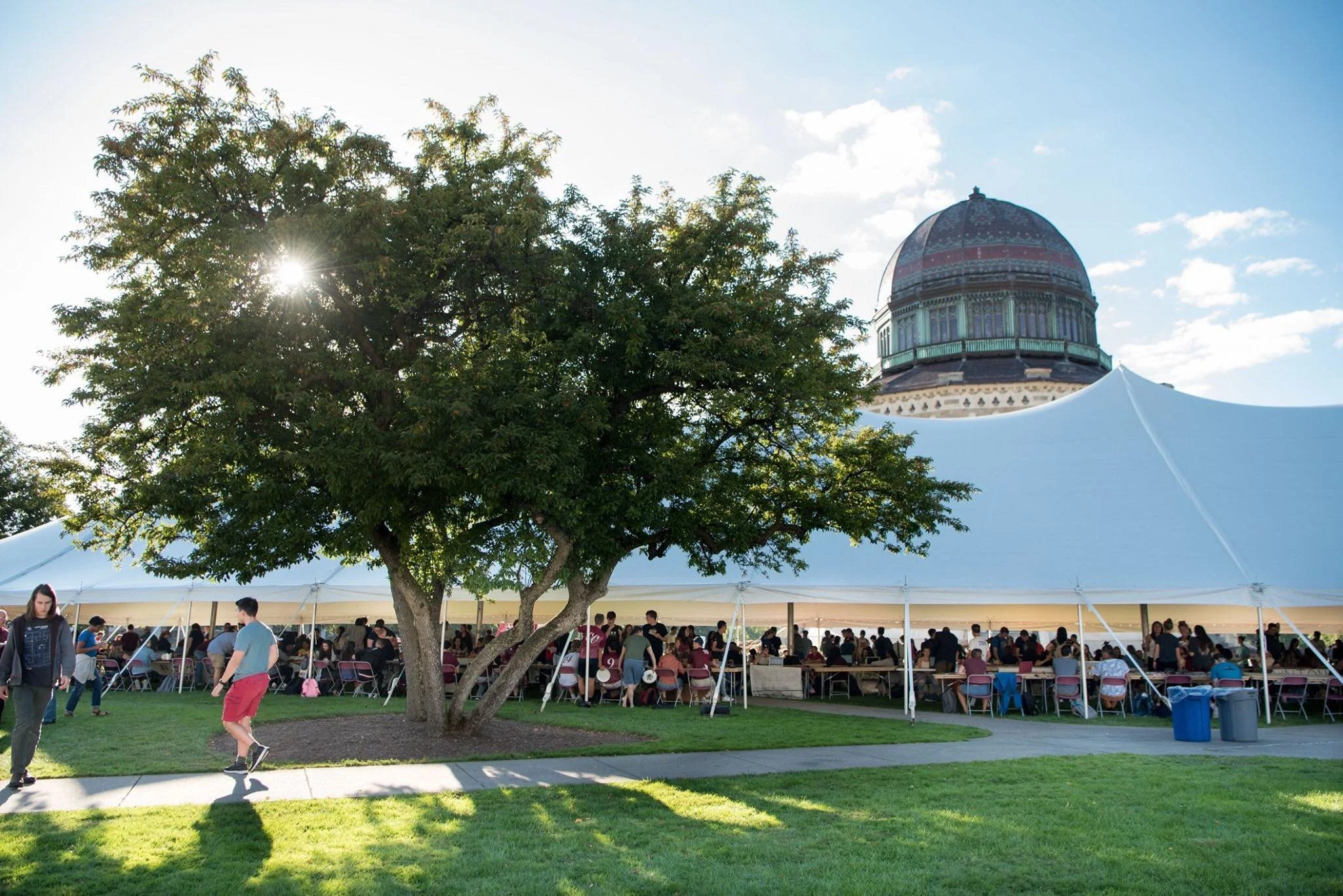
Union College
Location: Schenectady, New York
Established: 1795
Enrollment: ~2,100
Admit Rate: ~44-47% (Class of 2028)
Yield Rate: ~21%
Endowment: ~$560 Million
Academic Calendar: Trimester
School Colors: Garnet and White, #8B1E3F
School Mascot: Dutchmen / Dutchwomen
Undergraduate Tuition and Fees: ~$82,000 USD (2025–26 estimated cost of attendance)
Typical SAT Scores: Reading and Writing 650–720, Math 670–750
Motto: Sous les lois de Minerve nous devenons tous frères (“Under the laws of Minerva, we all become brothers”)
Notable: First planned liberal arts college in the U.S.; strong engineering + liberal arts integration; required senior thesis or capstone.
Old money vibes, engineering brains, quietly elite outcomes.
1. Quick Facts Snapshot
• Location: Schenectady, New York
• Founded: 1795
• Enrollment: ~2,100
• Admit rate: ~47% (Class of 2028)
• Yield rate: ~21%
• Endowment: ~$560 Million
2. Why Union College Fits the Little Ivy Profile
• One of the oldest colleges in the U.S. with deep Northeastern academic lineage
• Combines a classic liberal arts education with ABET-accredited engineering—rare and highly respected
• Attracts legacy families, Northeast prep-school grads, and students seeking rigor without Ivy theatrics
• Strong “quiet competence” reputation: not loud, not trendy, but serious
3. Selectivity & Admissions
• Approximate admit rate: ~47%
• Selectivity trend: Moderately selective; values academic strength, intellectual curiosity, and fit
• SAT/ACT ranges: SAT ~1320–1470
• Engineering applicants face higher internal selectivity
4. Academic Strengths
• Signature programs: Mechanical Engineering; Electrical Engineering; Economics; Political Science; Neuroscience
• Faculty ratio: ~9:1
• Key differentiator: Mandatory senior thesis or capstone for all students
• Trimester system allows academic intensity and flexibility
5. Outcomes
• Salary or placement overview: Strong ROI, especially for engineering, finance, consulting, and tech
• Alumni influence: Founders, CEOs, engineers, diplomats, and academics; less Hollywood, more boardroom
• Where grads typically go: NYC finance/consulting, engineering firms, law school, med school, federal service
6. Campus Culture
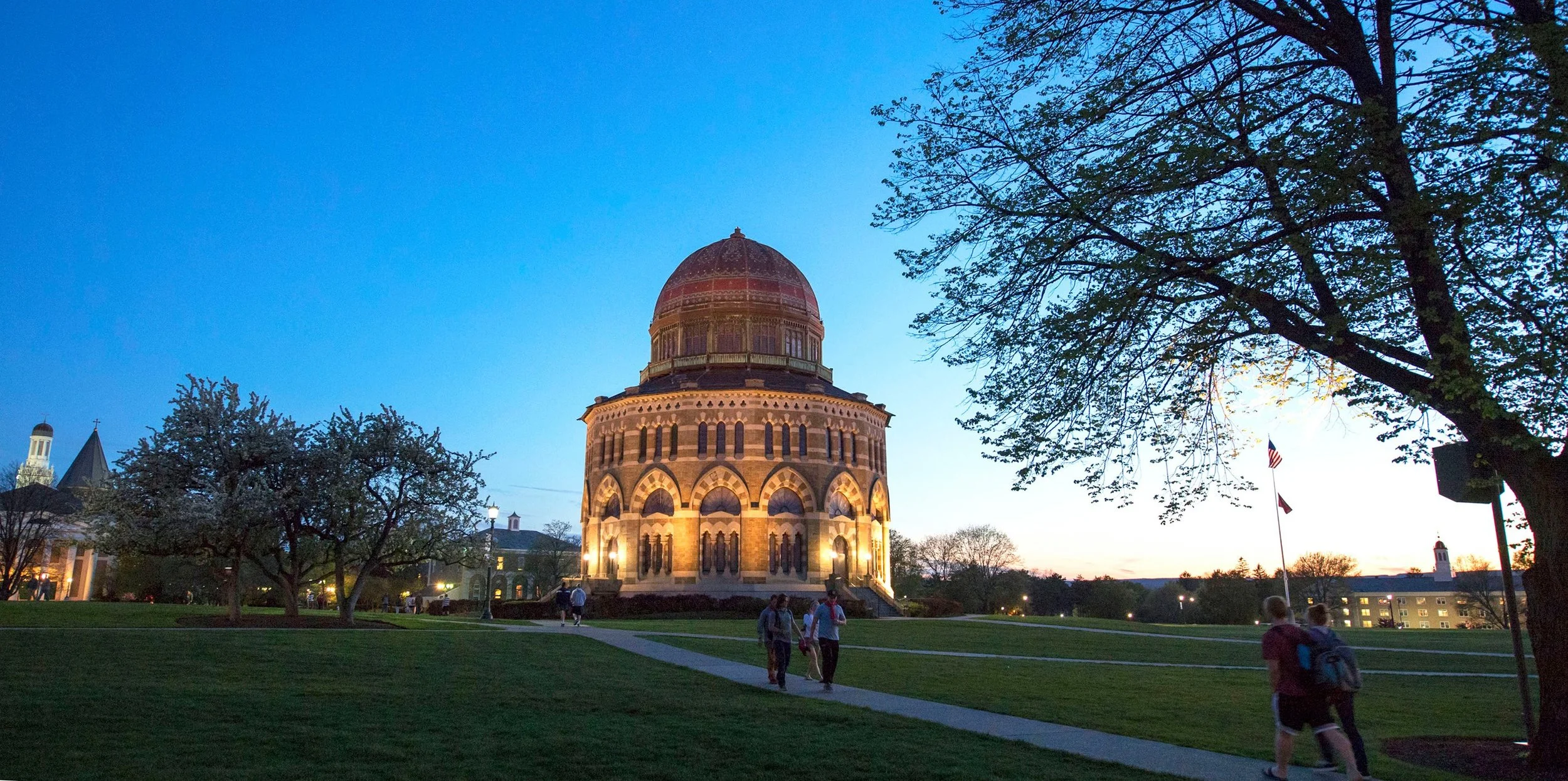
• Traditions: Minerva Day (campus-wide spring celebration); Lighting of the Nott Memorial
• Social environment: Fraternities and sororities present but not dominant; academic-first culture
• Notable athletics or arts strengths: Competitive D-III sports; strong music and theater relative to size
• Campus feel: Gothic architecture, enclosed quad, distinctly “old Northeast” aesthetic
7. FAQs
Is Union an engineering school or liberal arts college?
Both. It is one of the few true liberal arts colleges with a full, respected engineering school.
Is the trimester system intense?
Yes. It rewards disciplined students and punishes procrastinators.
How close is NYC?
~3 hours by train or car; many students intern in NYC during breaks.
What kind of student thrives here?
Academically serious, understated, career-minded, and comfortable without hype.
Further Reading:
Union College Complete Guide [2026]
Union College Tuition & Fees
https://www.union.edu/financial-aid/cost
Union College Common Data Set
https://www.union.edu/institutional-research/common-data-set
Union College Academics
https://www.union.edu/academics
Union College Career Outcomes
https://www.union.edu/career-advising
Union College Student Life & Traditions
50% More Flexibility
A distinctive academic structure shapes the Union experience. The trimester model—rooted in early 20th-century reforms—creates faster pathways through courses, greater adaptability as interests evolve, and significantly more scheduling freedom for research, internships, and off-cycle opportunities.
A Little Ivy Advantage in Every Trimester
With Dartmouth-like 10-week trimesters, Union delivers the accelerated academics and flexibility that distinguish the Little Ivy tradition—while giving students more time to live fully on campus.
Dartmouth-style Calendar
Union’s trimester structure, modeled on the early 20th-century Dartmouth plan, compresses coursework into three intensive terms, supporting concentrated study and reducing scheduling conflicts across disciplines.
Faster Course Sequencing
The three-term cycle allows students to complete multi-course sequences in 9–12 months rather than a full academic year, accelerating progress in STEM and language tracks.
Easier to Change Majors / Paths
Because requirements reset every ten weeks, students can pivot fields with minimal credit loss—an advantage noted in internal curriculum reviews since the 1980s.
Selectivity Trends
Application Volume Rising
Union’s applicant pool has expanded steadily over the past decade, with multi-year institutional data showing sustained growth since 2014, signaling heightened national demand among academically strong liberal-arts applicants.
Between 2015–16 and 2023–24, Union’s total applications increased from ~5,996 to 9,295, reflecting a 55% surge in prospective interest. This upward trend aligns with rising academic strength among applicants, evidenced by the Class of 2029’s middle 50% SAT range of 1370–1490 and ACT range of 31–34, underscoring growing competitiveness. The continued expansion of the applicant pool highlights Union’s increased national visibility and appeal among high-achieving students.
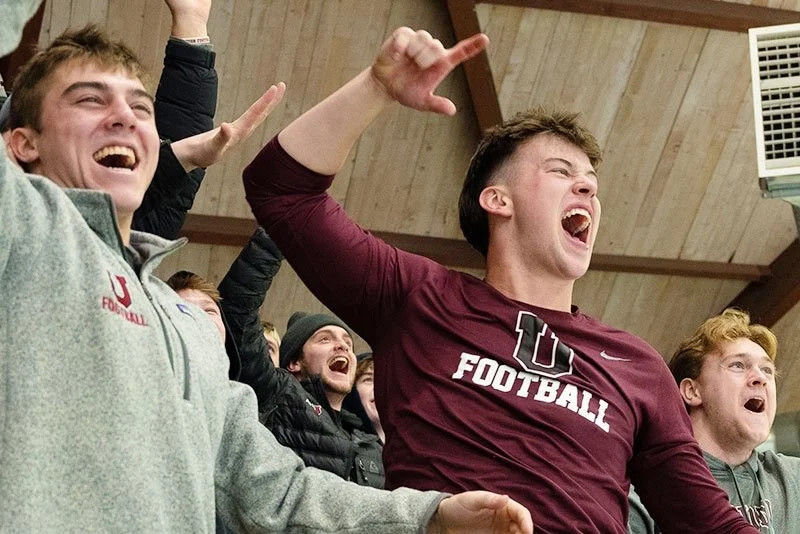
Test-Optional Doesn’t Mean Less Competitive
Internal admissions reports from the 2020–2024 test-optional era show no decline in academic benchmarks; median GPAs and course rigor levels have remained stable—or slightly higher—despite reduced testing requirements.
Publicly reported enrollment profiles confirm this stability: although 57% of applicants to the Class of 2029 did not submit test scores, the academic profile of enrolled students remains strong, with test-submitters maintaining high SAT/ACT ranges. Institutional data also show that the average GPA for first-year students has remained steady at approximately 90 (on a 100-point scale) in recent cycles. These patterns reinforce the conclusion that test-optional policies have broadened access without diminishing academic quality.
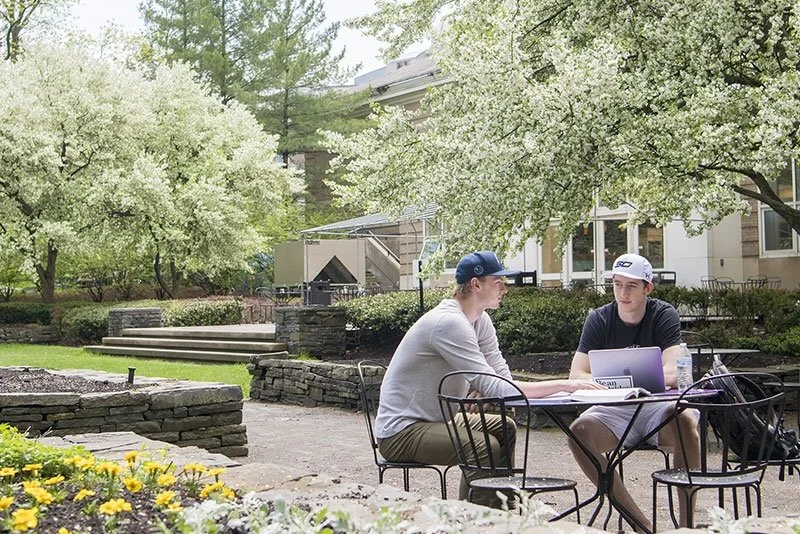
Admit Rate Down
With nearly 9,300 applicants in 2023–24 but only ~4,070 admits, Union’s acceptance rate currently stands around 43.8%, consistent with heightened selectivity relative to earlier years. Although admission rates fluctuate annually, the long-term trend shows increasing pressure on available seats as application volume continues to climb. This pattern mirrors competitive tightening across peer liberal-arts colleges in the Northeast as demand rises faster than institutional capacity.
With nearly 9,300 applicants in 2023–24 but only ~4,070 admits, Union’s acceptance rate currently stands around 43.8%, consistent with heightened selectivity relative to earlier years. Although admission rates fluctuate annually, the long-term trend shows increasing pressure on available seats as application volume continues to climb. This pattern mirrors competitive tightening across peer liberal-arts colleges in the Northeast as demand rises faster than institutional capacity.
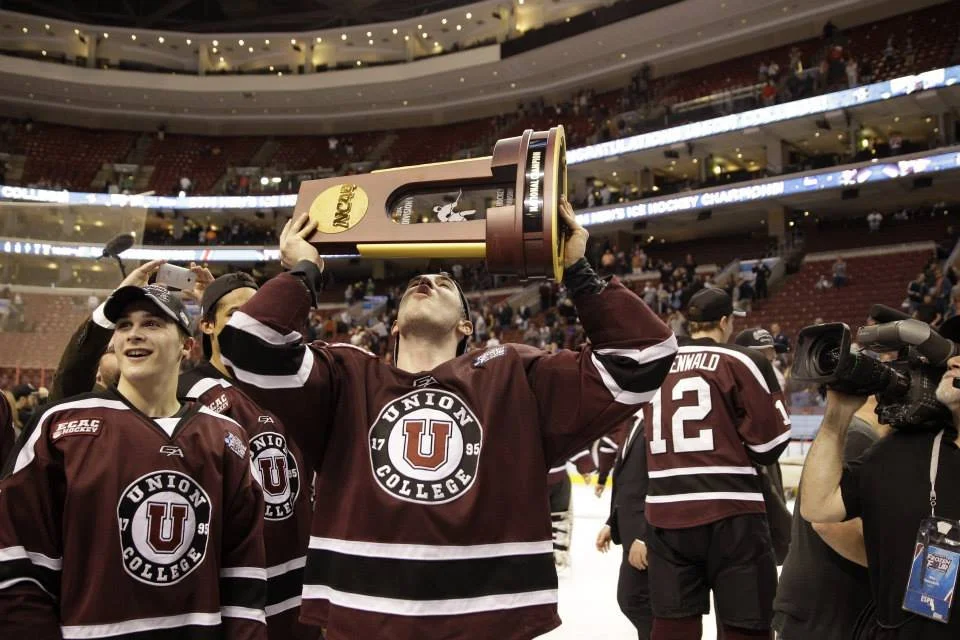
D1 Hockey
Union’s endowment has expanded steadily over recent decades, increasing the pool of resources available for academic initiatives, need-based scholarships, and long-term investments in facilities and research infrastructure.