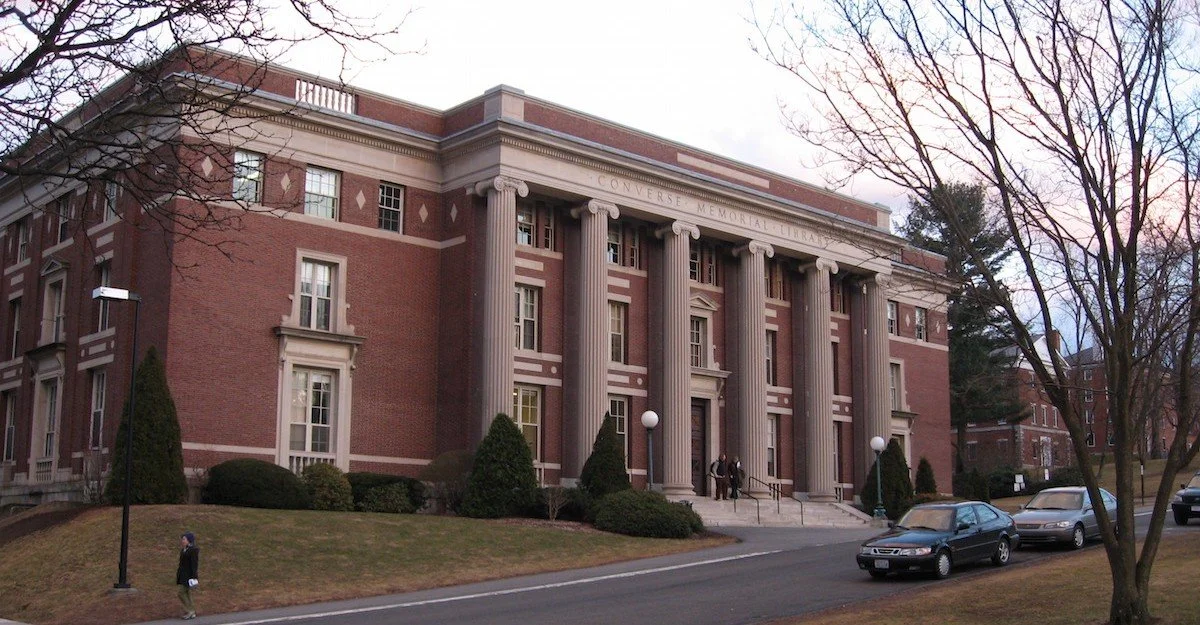
Redjar / Flickr
In late 2025, a first-year orientation event at Amherst College ignited intense controversy due to its explicit content and mandatory attendance. The program – an annual student-produced show called “Voices of Amherst” – featured performers simulating sex acts on stage and even showering the audience with condoms, which left many new students feeling shocked and “disgusted”. One student attendee recalled that she considered walking out despite the event being required, saying “it was disgusting enough it almost forced me to leave”. The incident quickly spread by word-of-mouth and social media, sparking a heated debate about campus culture, long-standing traditions, and the boundaries of appropriateness in college orientation.
“Voices of Amherst”: A Well-Intentioned Tradition
From the college’s perspective, Voices of Amherst is a well-intentioned tradition designed to welcome incoming students. The Office of Student Affairs notes that Voices has been a staple of Amherst’s New Student Orientation since 2007. Each year, junior and senior students write a new script for the performance using snippets from the freshmen class’s own admissions essays. The idea is to creatively reflect the experiences and backgrounds of the incoming class – including humorous or poignant excerpts – as a way to build community. Administrators describe the event as a “lighthearted tradition” to celebrate the individuality of the class while also introducing campus values and norms in a theatrical format.
Crucially, one section of the Voices show each year is devoted to sexual themes and relationships as part of Amherst’s effort to promote a healthy campus climate. College officials maintain that these orientation skits serve an educational purpose: they are part of a broader initiative to promote student wellbeing and sexual respect on campus. “The skits are part of our broader commitment to promoting wellbeing and sexual respect,” explained Amanda Vann, Amherst’s Director of Health and Wellbeing, emphasizing that the performance is meant to encourage open conversations about topics like sexual health, consent, communication, and self-care in a relatable way. By presenting real student experiences (drawn from essays) and dramatizing sensitive issues, the program aims to get first-years thinking and talking about topics that college students often encounter, from mental health to intimacy, in an engaging manner rather than a formal lecture.
Graphic Content and Student Backlash
Despite those good intentions, the 2025 iteration of Voices of Amherst struck many observers as crossing a line. During the show – held in the college’s historic Johnson Chapel – student actors reportedly mimicked various sex acts on stage, including depictions of oral sex, masturbation, and group sex. According to one account, a female performer bent over while another student pretended to penetrate her from behind as part of a sketch. Other segments featured students moaning loudly, thrusting under blankets, and pretending to have sex, while some performers tossed handfuls of condoms into the crowd like confetti. For many in the audience, especially new students fresh out of high school, these graphic dramatizations were deeply uncomfortable.
Numerous first-years later expressed shock and offense at what they had been made to watch. On an anonymous campus message app, one user wrote, “WTFF WAS THAT SEX PERFORMANCE AT VOICES,” and another confessed that “seeing the Voices’ actors around campus is giving me involuntary flashbacks to the scarring experience” of the orientation show. That post received hundreds of upvotes, suggesting a significant portion of the student body empathized with the sentiment. Students complained that they hadn’t been adequately warned about the explicit nature of the content, and some felt traumatized by it. “I understand that Amherst is trying to remove the taboo behind sex on campus, but this has gone way too far,” said John Collier, a junior who helped lead new students through orientation, adding that “the way it’s forced in our faces does the exact opposite” of making people open-minded. In other words, instead of normalizing healthy dialogue about sex, the extremely graphic presentation made some students shut down or recoil in disgust.
Critics of the performance also point out the power dynamic at play: because orientation events are effectively mandatory (or at least heavily urged by the college), students had little choice but to sit through the show even if it violated their personal comfort or values. Some did leave early or looked away, but many stayed, feeling they had to endure it. This has raised questions among the campus community about whether such “shock value” methods are appropriate, especially for 18-year-olds who may not have expected their prestigious liberal arts college to kick off with what one outlet described as a “bizarre sexual ceremony”. The backlash indicates that a notable segment of Amherst students and parents found Voices of Amherst grossly oversexualized and not in line with the tone they expected from an academic orientation program.
College Defends the Program
Amherst’s administration has largely stood by the Voices program, emphasizing context and intent. They stress that the performance was never meant to be pornographic or distressing, but rather candid and frank. In fact, after the uproar, the Office of Student Affairs asserted that “Voices of the Class is not graphic” and that a description of the event was provided beforehand (students even had to give permission for their essay excerpts to be used). From the college’s viewpoint, any discomfort sparked by the skits is intended to lead into valuable discussions. Administrators argue that engaging students with edgy, provocative material can break down taboos and drive home lessons about consent, respect, and community values in a way that simply talking about those issues might not. Supporters of Voices note that Amherst – like many colleges today – is responding to higher education’s push in the last decade to address sexual misconduct and health proactively. Ever since federal Title IX guidance in the early 2010s urged colleges to educate students on sexual consent and prevent assault, schools have increased programming on sexual respect. In that light, Amherst’s orientation skits (along with other programs like its annual “Sex in the Dark” Q&A session on intimate topics) are part of a sincere effort to equip students with knowledge and awareness around sexuality and boundaries in college life.
College officials also highlight that they exercise oversight over Voices of Amherst. The script is reviewed and approved by Student Affairs staff before any performance , and administrators provide feedback to the student cast during rehearsals to ensure the content aligns with Amherst’s educational goals. Amanda Vann and her colleagues have described the resulting skits as “relatable, engaging” presentations that ultimately help students build skills for maintaining a “healthy, respectful community” on campus. In their view, the orientation show’s blend of humor, creativity, and frankness is an effective way to get a diverse freshman class on the same page about important social topics. The administration did acknowledge the concerns raised, but their initial response was not to cancel the program, instead reaffirming the values behind it and expressing a willingness to “explore possible responses” or tweaks going forward.
It’s worth noting that Amherst is far from alone in walking this fine line. Many colleges struggle to balance bold student-led traditions with the comfort of all students. In Amherst’s case, the controversy has thrown a spotlight on how the college’s strongly progressive, unorthodox approach to orientation and student life can clash with the expectations of some students and parents. The same skits that one group sees as progressive and enlightening, another group sees as obscene or inappropriate – underscoring the challenge administrators face in defining what is acceptable. Amherst’s President Michael Elliott acknowledged the tension, remarking that the school would consider the feedback “in the context of our educational mission” as it moves forward.
Campus Culture and Boundaries
The Voices of Amherst debate has opened up a broader conversation about campus culture and boundaries at the college. For years, Amherst has cultivated an image (and reality) of being sex-positive, inclusive, and open to challenging norms. In addition to Voices, the college’s Student Affairs office sponsors events like the aforementioned “Sex in the Dark” (an anonymous Q&A on sex and relationships held in a dark auditorium) and workshops on topics such as polyamory and ethical non-monogamy. It even hosts an annual drag show on campus, complete with professional performers, as a celebration of LGBTQ+ pride and gender expression. All of these efforts are part of what Amherst sees as preparing students to “explore ideas freely” and foster a diverse, accepting community.
However, the uproar around the orientation performance suggests that not everyone at Amherst is comfortable with how far this culture of frankness goes. Some students have voiced feeling alienated or even pressured to conform to an ultra-liberal sexual ethos. “It just feels so disturbing and dystopian… I kind of laugh it off at this point,” one junior said about the normalization of highly sexualized events on campus. Others, like junior Isabella Niemi, noted that feedback mechanisms seemed to be conveniently absent for the most extreme orientation activities, leaving her “no opportunity to make my voice heard on the excessive oversexualization” she perceived. These students worry that anyone who opts out or raises objections to such programs risks being labeled prudish or not fitting in – a significant concern when the desire to belong is high.
The orientation controversy has essentially drawn a line in the sand over where to set boundaries in the pursuit of openness. Proponents of events like Voices of Amherst argue that college is exactly the place to push boundaries and discuss uncomfortable realities openly, as doing so can educate and liberate students:
Supporters say the explicit orientation skit was rooted in positive intentions – to destigmatize topics like sex and consent, encourage honest dialogue, and equip students to make safe, informed choices. They point out that the program was part of a larger tradition and campus ethos of openness, and that many peer institutions also use provocative skits or role-plays to address issues like sexual assault prevention. By confronting taboo subjects head-on, Amherst aims to foster a climate where students can talk about anything – an approach that some believe ultimately makes the campus safer and more accepting.
Critics counter that the orientation crossed a clear line of propriety, subjecting students to content more akin to an R-rated performance than an educational workshop. In their view, making such a show effectively compulsory was a mistake, as it failed to respect personal boundaries and diversity of values among the student body. Many students and parents were caught off guard by the graphic displays, and some freshmen felt embarrassed or even traumatized rather than enlightened. Detractors argue that there are other ways to convey messages about sexual respect without “forcing it in students’ faces” and potentially alienating those who are uncomfortable. A core principle of education, they assert, is making space for dissent and comfort levels – something they feel the orientation event did not adequately allow.
Media Spotlight and Aftermath
The debate over Amherst’s orientation didn’t stay confined to campus. By December 2025, footage of the Voices of Amherst performance had surfaced online and quickly drew national attention. A student-written exposé in the conservative Washington Free Beacon – dramatically titled “This Has Gone Way Too Far” – described the event as a “bizarre sexual ceremony” and criticized Amherst for pushing all first-year students to attend it. Soon after, mainstream outlets picked up the story: The New York Post ran a headline calling it a “‘disgusting’ orientation performance — where students mimicked sex acts”, and other media branded the skit “vile” and said students were “absolutely horrified” by it. Amherst College suddenly found itself in an unwelcome spotlight, held up as an example (by some) of campus culture gone awry.
The publicity intensified the controversy further. Alumni, parents, and commentators flooded social media with opinions ranging from outrage to defense of the college. Amherst’s administration responded with a flurry of communications to contain misunderstandings and support their students. In an email to the campus, President Michael Elliott and the Dean of Students reaffirmed the educational purpose of the program but acknowledged the concerns raised and promised to review the orientation content. More urgently, they also noted that some Amherst students who appeared in videos of the performance were facing harassment and even doxing from internet trolls after the story went viral. The college condemned these attacks, stating it has “zero tolerance for harassment and doxing” and even sought to get certain photos/videos taken down to protect student safety. Student organizations rallied as well: the Association of Amherst Students and various cultural clubs issued statements of solidarity with the performers, arguing that while criticism of the college is fair, it must not cross into personal harassment.
This aftermath has, in effect, broadened the conversation. It’s no longer just about one orientation skit at one college – it’s feeding into a larger national dialogue about free expression, campus norms, and respect for individual rights. Some commentators argue that Amherst’s experience is a cautionary tale about colleges “losing their way” in the name of progressive ideals, while others see the backlash as overblown moral panic targeting a school trying to do the right thing. The truth, as is often the case, probably lies somewhere in between and requires a nuanced understanding of what Amherst was attempting versus how it was received.
Conclusion: Finding the Line Between Education and Offense
The controversy at Amherst College’s orientation highlights the delicate balance between upholding tradition and ensuring student comfort. What began as a quirky campus tradition aimed at bonding students and discussing important issues erupted into a full-blown debate over decency, academic freedom, and the role of colleges in shaping social values. The question at the heart of it is the one posed in the title of this article: is this kind of orientation program an empowering tradition, or did it go “too far”?
Amherst now faces the task of introspection – as do other institutions watching this saga. The goal of fostering open, honest dialogue on topics like sex and relationships is undeniably important, especially in an era when student well-being and consent education are top priorities. Yet, as this episode demonstrates, good intentions can backfire if execution fails to respect the diverse backgrounds and boundaries of the audience. An event meant to unite and inform the freshman class ended up leaving some students feeling alienated or upset. Going forward, Amherst College will likely refine its approach, perhaps by providing clearer content warnings, offering alternative formats for sensitive material, or making such sessions optional without stigma.
Ultimately, the “Voices of Amherst” controversy has sparked a valuable conversation not only on Amherst’s campus but across higher education: How can colleges best prepare students for real-world issues and adult themes without overstepping what is appropriate in an educational setting? There may be no one-size-fits-all answer, given the range of student sensibilities. What’s clear is that achieving the right balance will require listening to student feedback, exercising empathy, and maybe a dose of restraint in how far to push the envelope. As Amherst debates whether its orientation tradition is a bold teaching tool or an over-the-top misstep, other colleges might take note – ensuring that efforts to be cutting-edge and candid do not come at the expense of the very students they aim to serve. The line between tradition and “too far” can be thin, and finding it will remain an ongoing challenge in campus life.
Sources: News reports and statements from December 2025 covering the Amherst College orientation incident, as well as campus publications and eyewitness accounts.