
Campus Culture & Student Experience
While each Little Ivy has its own character, they all share a close-knit campus culture that focuses on personal growth and community. These schools primarily serve undergraduates and are mostly residential. Typically, over 90% of students live on campus for all four years, forming tight-knit communities. For example, Lafayette College accommodates about 92% of undergraduates on campus, and many others are close to 100%, especially for first-year students. This residential aspect creates a vibrant campus life. Students not only attend classes together but also dine, participate in clubs, and socialize within the same community. Dining halls and dorm life are significant, with Bowdoin being known for its top-ranked dining, which includes an annual Maine lobster bake tradition and organic gardens that enhance student happiness.
Student satisfaction is notably high. First-year retention rates are around 94% to 96% at many Little Ivies, showing that nearly all freshmen return for their sophomore year, which indicates a positive experience. Similarly, four-year graduation rates are impressive, often exceeding 85% to 90%. Surveys consistently show that students appreciate the sense of community and the opportunities available to them. Honor codes at schools like Haverford and Swarthmore foster trust and student governance, creating a collaborative atmosphere. While classes are demanding, collaboration is valued over competition; students form study groups and build friendships that last a lifetime.
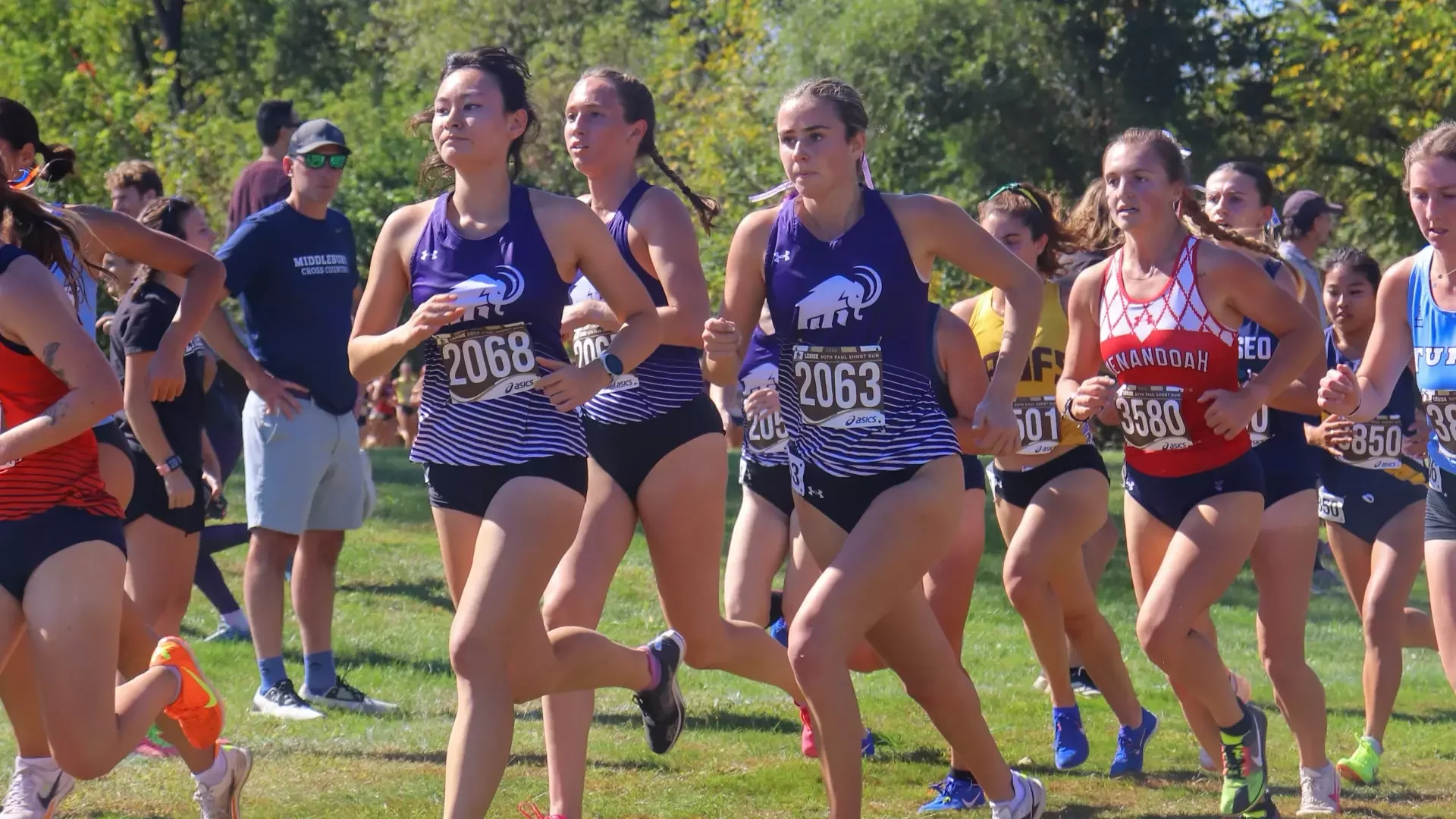
Extracurricular activities are diverse and abundant, comparable to much larger institutions. Each college features hundreds of student-run clubs, ranging from performing arts groups and literary magazines to investment clubs and outdoor recreation groups. Many Little Ivies compete in the NESCAC athletic conference (Division III), where sports play an important role in campus life. Depending on the school, about 25% to 40% of students may participate as varsity athletes. School spirit is noticeable at games, especially during rivalry matchups like Amherst vs. Williams. Athletics are balanced with academics according to NESCAC values but provide a bonding experience for participants and fans. In addition to varsity sports, there are many intramural and club sports, along with popular activities like outing clubs at Middlebury, Colby, and Dartmouth for skiing and hiking, thanks to the scenic rural settings of many campuses.
Residential life is designed to foster community. Most schools have a house system or dorm arrangements that mix students from different years. Orientation programs and traditions, such as Middlebury’s Mountain Day, Williams’ Mountain Day, and Colgate’s Torchlight procession, help create a shared sense of identity. Student governance is robust: Haverford’s Honor Code allows students to participate in handling conduct issues, and at Wesleyan, students can create and teach courses through the Experimental College program. Campuses prioritize inclusivity and student involvement. Many Little Ivies rank highly for student engagement in community service and civic activities; for instance, Swarthmore’s focus on Peace and Conflict Studies encourages activism, and several colleges have community engagement centers.
Overall, the quality of life is excellent. Dorms are comfortable, often equipped with modern amenities, dining is highly rated, and campuses are safe and beautiful. These colleges are mostly located in small towns or suburban areas in the Northeast. While they may not offer urban excitement, they make up for it with scenic campuses and strong communities. Outdoor activities are popular, from hiking in Vermont at Middlebury to kayaking in Maine at Colby and Bowdoin. The arts and culture scene is also vibrant. Wesleyan and Vassar boast notable arts scenes and film programs, while Williams houses the Clark Art Institute and a top art history program. Guest speakers, concerts, and events keep campuses lively, even in remote areas.
Finally, support services and mentoring enhance the student experience. Advising is personal, and career centers actively assist students in finding internships, often funding unpaid positions. As a result, by their senior year, students develop a strong connection to their college. Alumni networks remain close-knit, reflecting the lasting relationships built during their time there. In summary, campus life at the Little Ivies features a strong community, rich extracurricular activities, school traditions, and a fully immersive residential experience, which all contribute to high student satisfaction and a loyal alumni network.
Further Reading
NCES College Navigator (housing %, retention, graduation rates)
https://nces.ed.gov/collegenavigator/
(On-campus housing rates, first-year retention, graduation outcomes)
Common Data Set (CDS – residential life, athletics participation, retention)
https://commondataset.org/
(Percent living on campus, varsity athlete participation, student engagement indicators)
Princeton Review – Best Campus Life / Best Food Rankings
https://www.princetonreview.com/college-rankings
(Bowdoin dining rankings, student satisfaction, quality of life)
New England Small College Athletic Conference (NESCAC)
https://nescac.com/
(Division III athletics role, academic–athletic balance, participation levels)
National Survey of Student Engagement (NSSE)
https://nsse.indiana.edu/
(Student engagement, collaboration, satisfaction, faculty interaction)
Institutional Student Life & Honor Code Pages (examples)
Haverford Honor Code: https://www.haverford.edu/honor-code
Swarthmore Student Life: https://www.swarthmore.edu/student-life
(Honor systems, governance, residential culture, traditions)